
April 14, 2025
ven while relishing our staples like rice and wheat, we went back searching for traditional foods and recipes and voila! We discovered what our ancestors ate – millets.
We have become very millet aware in the last few years and suddenly these bland, gluten-free whole grains found their place back in our kitchen shelves.
There are many types of millets like ragi, foxtail millet, pearl millet finger millets, proso millets, little millets, kodo millets and barnyard millets and all these grains have one in thing common – ample amounts of nutrition.
And they are not bland in taste anymore. Millets are now being made into fluffy bread, gooey porridges, hot kitchids, idlis, dosas and even delicious desserts.
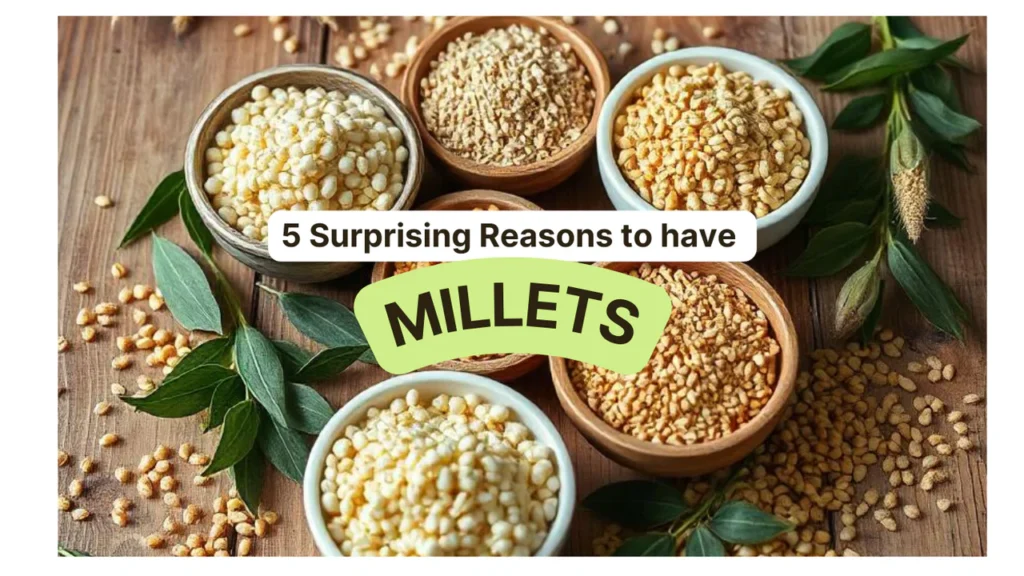
Millets are small, round-shaped coarse grains which is an indigenous crop to India that comes with an impressive nutrient profile. They are famed as “poor man’s food grain” due to its affordability. It is a drought and pest resistant crop that survive in a harsh climate and less fertile soil. All millet varieties belong to the Poaceae family, however, they differ in colour, appearance and species.
Types of Millets
Foxtail Millet
Foxtail millet loaded with protein and complex carbohydrates regulate blood sugar spikes, diminished bad (LDL) cholesterol levels and increase good cholesterol (HDL) in the body. While being rich in iron and calcium it maintains healthy blood levels and strengthens bones
Finger Millet
Finger millets, also known as ragi is a healthier cereal alternative for rice and wheat. It is a gluten-free grain loaded with protein and amino acids that promote growth and boost brain health in children.
Pearl Millet
Pearl millet or bajra abounds with minerals such as calcium, magnesium, iron is valuable in uplifting overall health. An immense amount of protein and dietary fibre helps in managing diabetes and support weight loss.
Little Millet
Little or kutki is a great millet option for all those fitness enthusiasts, as it serves as a healthy tweak for rice. Bestowed with fibre and minerals such as potassium, zinc, iron and calcium and vitamin B3 supports fat metabolism, tissue repair, reduces cholesterol and energy production.
Nutritional Facts
Millets come with a whopping amount of nutrients including proteins, dietary fibre, B vitamins, calcium, iron, manganese, magnesium, phosphorus, zinc, potassium, copper and selenium. They are also a powerhouse of antioxidants, flavonoids, anthocyanins, saponins and lignans that provide you with impressive health benefits.